


What Happens to Our Skin as We Age?
Healthy skin is supported by an organized network of collagen, elastin and other molecules within the dermis. This network is known as the extracellular matrix, and it gives the skin much of its strength, flexibility and structure.
Specialized cells called fibroblasts help maintain this network by producing collagen, elastin, fibronectin and hyaluronic acid. These substances work together to keep the skin firm, resilient and well hydrated.

As we age, several natural changes occur:
-
Fibroblasts become less active and responsive.
-
The production of new collagen gradually slows.
-
Existing collagen fibers become fragmented and less organized.
-
The skin becomes less efficient at retaining moisture.
-
Environmental stress—especially cumulative ultraviolet exposure—can accelerate the breakdown of the skin’s supporting structure.
Over time, the skin’s repair processes may no longer keep pace with this gradual breakdown. The result can be the visible development of fine lines, wrinkles, dryness, reduced elasticity and loss of firmness.
In simple terms:
Younger skin continually produces and organizes the materials that keep it firm and smooth. With age, the skin produces less of this structural support while existing collagen is broken down more quickly.
The Science Behind Sensophore
All products in the Sensophore skincare line contain Matrixyl™ 3000. Matrixyl™ 3000 is a peptide complex made from two messenger peptides:

Palmitoyl Tripeptide-1

Palmitoyl Tetrapeptide-7
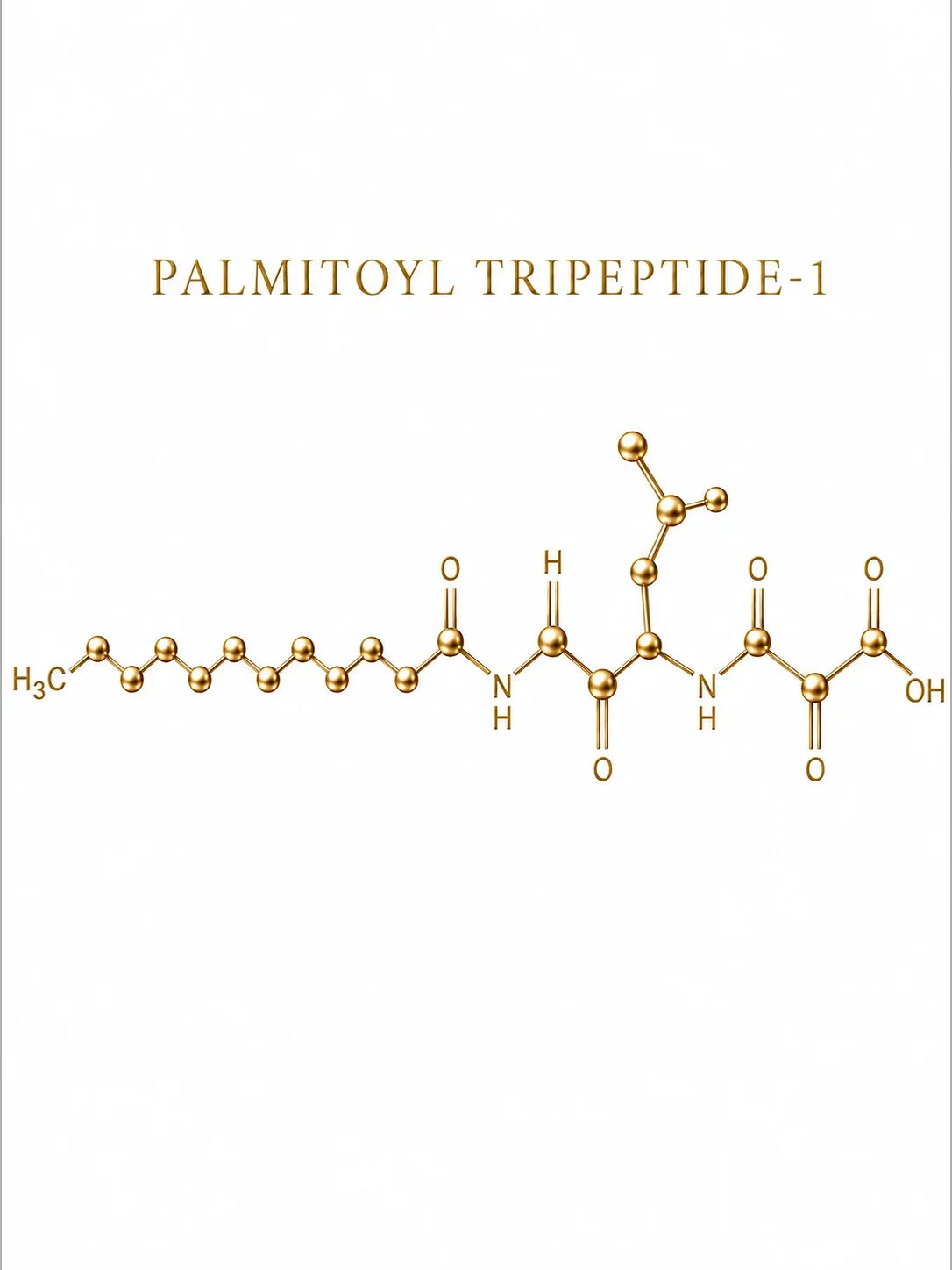
Palmitoyl Tripeptide-1:
Supporting renewal
Palmitoyl Tripeptide-1 is designed to imitate a naturally occurring collagen fragment. It helps signal fibroblasts to support the production of components associated with the skin’s structural framework, including collagen, fibronectin and hyaluronic acid.
This can help the skin appear:
- Firmer
- Smoother
- More resilient
- Better hydrated
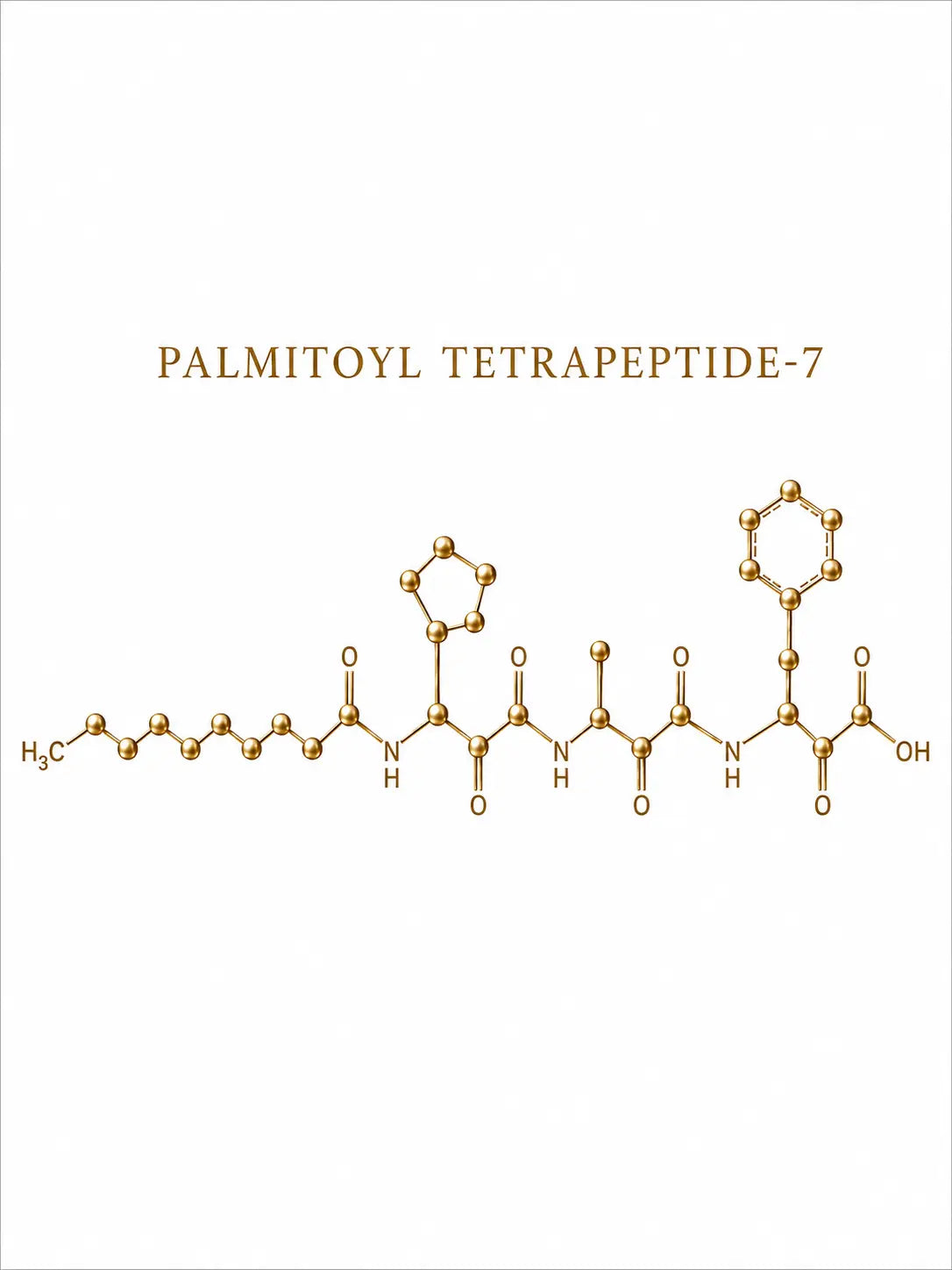
Palmitoyl Tetrapeptide-7:
Supporting a balanced skin environment
Palmitoyl Tetrapeptide-7 regulates inflammatory pathways. Persistent, low-level inflammation can contribute to the accelerated breakdown of collagen and other supporting components of the skin.
By reducing inflammatory signaling, Palmitoyl Tetrapeptide-7 prevents breakdown of existing collagen.
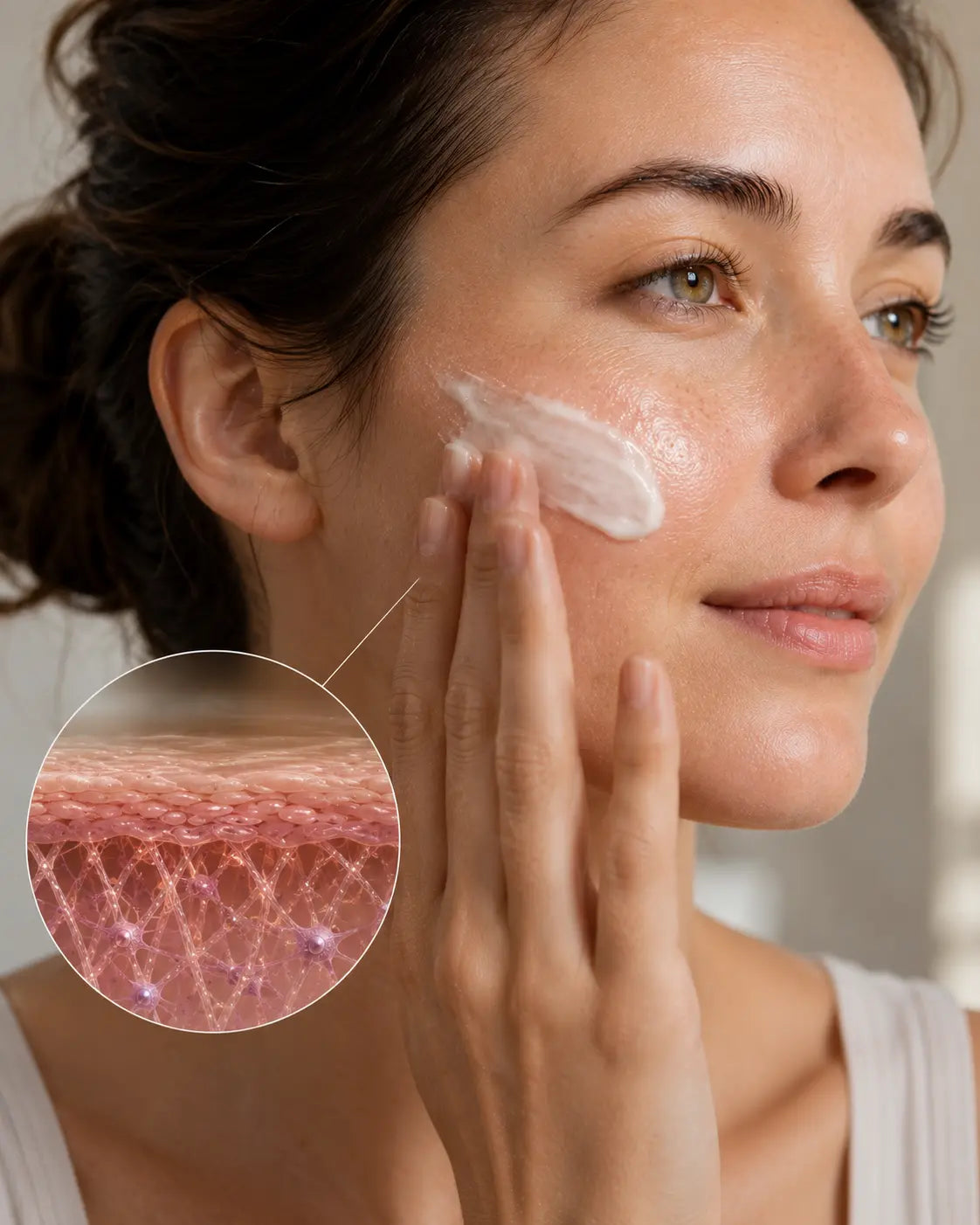
Two Complementary Actions
Together, the peptides help address visible skin aging from two directions:
- Supporting the production and maintenance of structural components.
- Helping reduce conditions associated with their accelerated breakdown.

Expected Results
Matrixyl™ 3000 is designed to provide cumulative benefits rather than an immediate resurfacing effect. With regular use, you may begin to notice:
-
Within 1–2 weeks
- Skin feels more hydrated
- The surface appears smoother
- Skin looks healthier and more refreshed
-
Within 4–8 weeks
- Fine lines may appear softened
- Skin looks firmer and more resilient
- Overall texture may appear smoother and more even
- Fine lines may appear softened
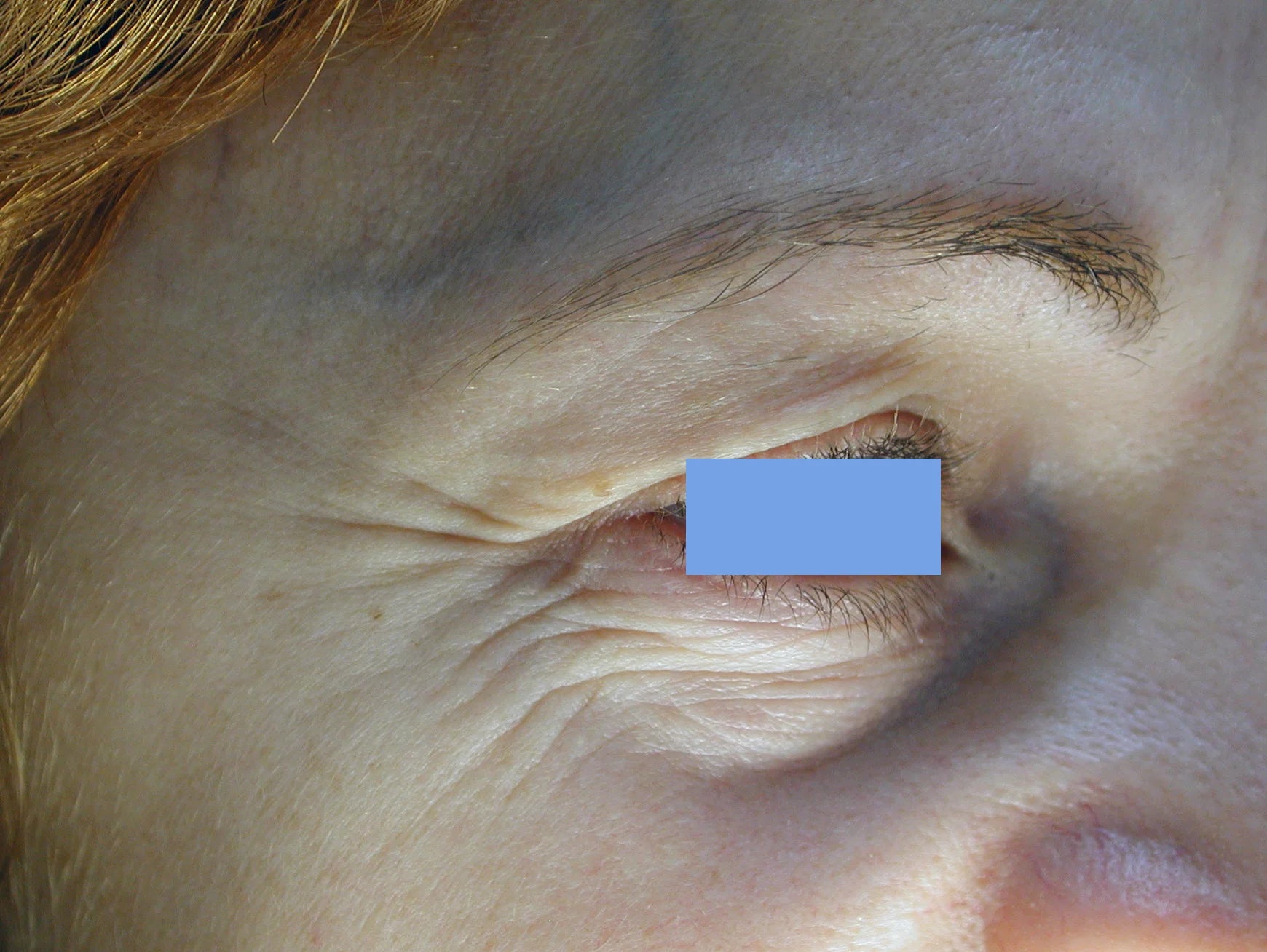
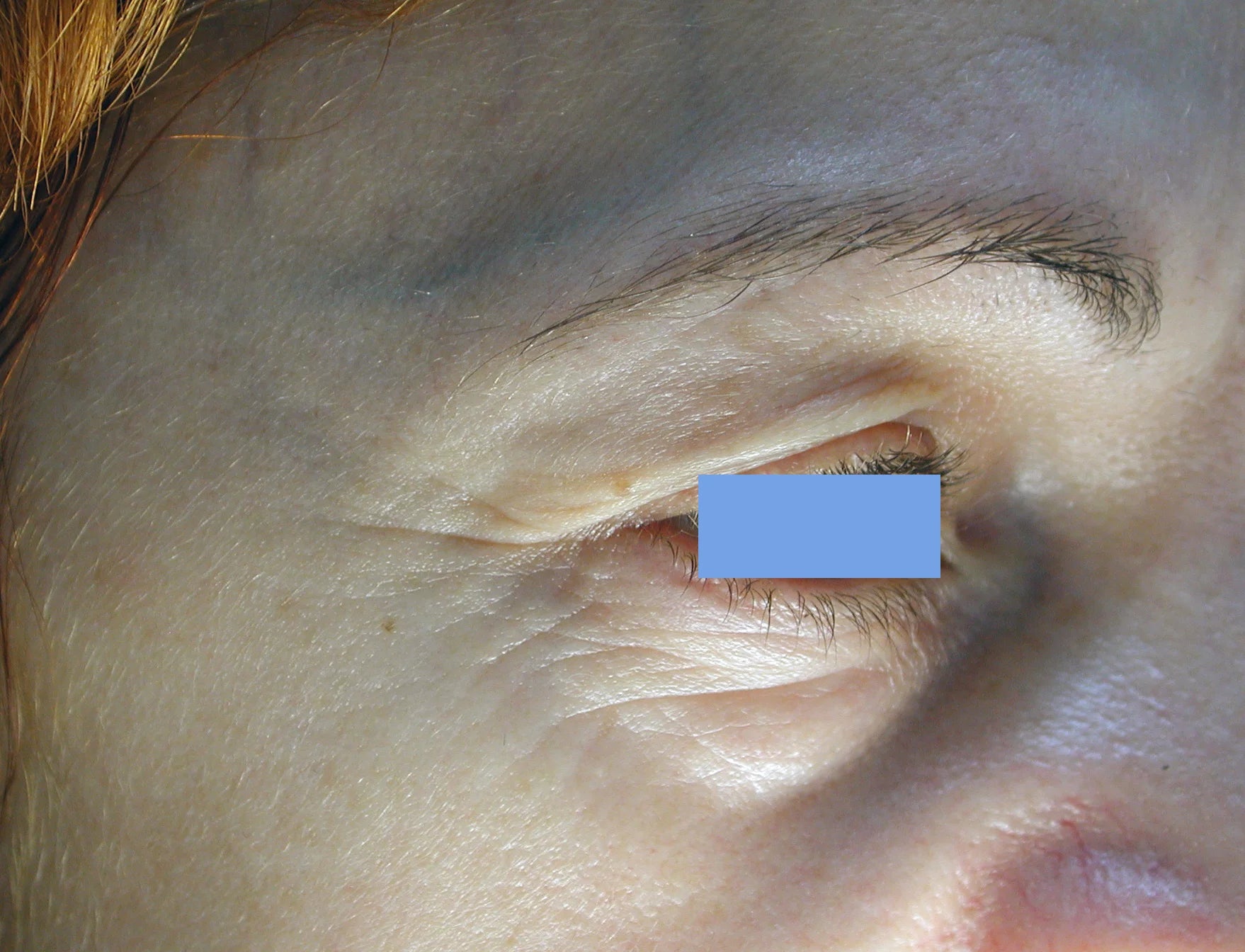
Disclaimer: Matrixyl™ 3000 is used under authorization of Sederma Inc. This information is not intended to diagnose, treat, cure or prevent any disease.